
Blog
Complete Solar Buying Checklist for Pakistani Consumers (2026 Guide)
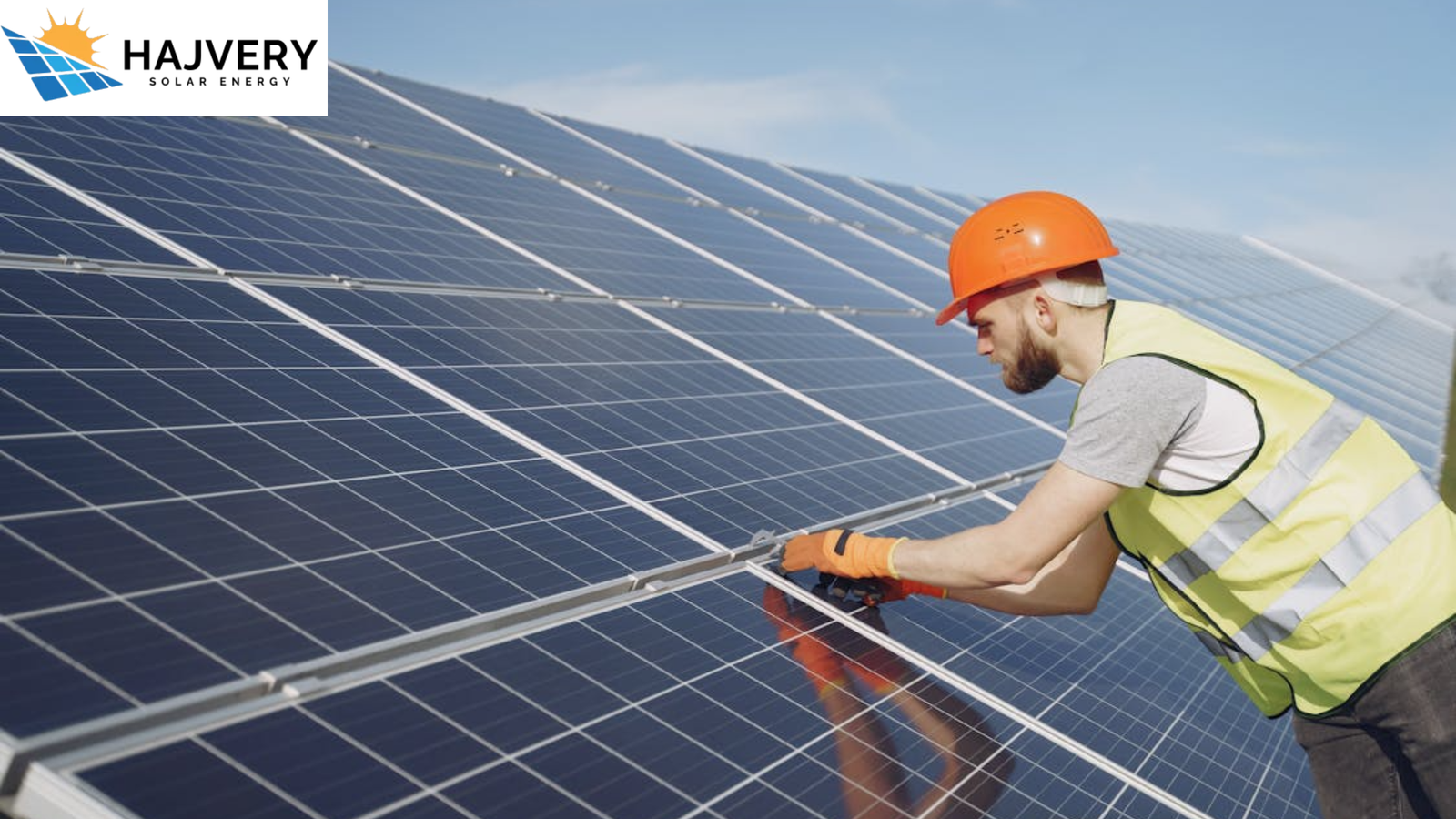
If you are planning to switch to solar energy in Pakistan, you are making one of the smartest long-term investments for your home or business. With rising electricity prices, frequent load shedding, and increasing demand for clean energy, solar power has become a practical necessity rather than a luxury.
But here’s the truth buying a solar system is not just about comparing prices. It’s about choosing the right system, correct sizing, reliable components, and a trusted installer.
Why a Solar Buying Checklist Matters in Pakistan
The solar market in Pakistan is growing fast, but not all providers offer the same quality. Many buyers face issues like:
- Overpriced systems with low-quality panels
- Incorrect system sizing (overload or underperformance)
- Poor installation practices
- No proper warranty or after-sales support
- Fake efficiency claims
A structured checklist ensures you invest in a system that delivers long-term savings and performance.
1. Understand Your Electricity Consumption First
Before buying anything, analyze your monthly electricity usage in units (kWh).
Ask yourself:
- How many units do I consume monthly?
- Do I want full backup or partial load support?
- Which appliances must run on solar?
Example system sizing in Pakistan:
- 3kW solar system: small homes (basic load)
- 5kW solar system: average household
- 10kW solar system: large homes or small businesses
This step is critical for accurate system design.
2. Choose the Right Type of Solar System
There are three main types of solar systems in Pakistan:
On-Grid Solar System
- Connected to WAPDA/LESCO/KE
- No batteries required
- Best for net metering
- Lower cost
Off-Grid Solar System
- Works independently
- Requires batteries
- Best for areas with no grid access
Hybrid Solar System
- Combination of both
- Works with grid + batteries
- Best for load shedding areas
Choosing the right system depends on your location and backup needs.
3. Solar Panel Quality Matters Most
Not all solar panels are equal. Focus on:
- Monocrystalline panels (high efficiency)
- Tier-1 manufacturers
- Warranty (minimum 10–25 years)
- Performance in high heat conditions (important for Pakistan)
Avoid low-cost panels with no certification or unknown brands.
4. Inverter Selection is Critical
The inverter is the brain of your solar system.
Popular inverter types:
- String inverter (basic systems)
- Hybrid inverter (best for Pakistan)
- Microinverters (premium setups)
Make sure:
- It matches your system size
- It supports net metering
- It has good efficiency rating
- It is compatible with batteries (if needed)
5. Battery Backup (If Required)
If you face load shedding or want backup power:
Battery options:
- Lithium-ion (best performance, long life)
- Lead-acid (cheaper but shorter lifespan)
Key considerations:
- Backup hours required
- Load capacity
- Battery warranty
6. Net Metering Availability in Pakistan
Net metering allows you to sell excess electricity back to the grid.
Before installation, confirm:
- Your area supports net metering (LESCO, K-Electric, etc.)
- Your installer handles documentation
- System meets NEPRA requirements
Net metering significantly improves ROI.
7. Installation Quality & Engineering
Even the best equipment fails with poor installation.
Check:
- Certified installation team
- Proper wiring and safety standards
- Strong mounting structure
- Protection against weather and dust
A good system should last 20–25 years.
8. Warranty & After-Sales Support
Always check:
- Panel warranty (25 years performance ideally)
- Inverter warranty (5–10 years)
- Installation warranty (at least 1 year)
- Local support availability
After-sales service is often more important than price.
9. Cost vs Long-Term ROI
Do not just focus on upfront solar panels price in Pakistan.
Instead, evaluate:
- Payback period (usually 2.5–5 years)
- Monthly electricity savings
- System efficiency
- Maintenance cost
Cheap systems often cost more in the long run.
10. Certification & Brand Authenticity
Ensure:
- Tier-1 solar panels
- Certified inverter brands
- Approved installers
Avoid unverified local assemblies with no documentation.
Why Choose Hajvery Solar
If you are looking for a trusted and professional solar solution provider in Pakistan, Hajvery Solar offers complete end-to-end solar solutions designed for residential, commercial, and industrial users.
With a focus on quality engineering, proper system design, and reliable after-sales support, Hajvery Solar helps customers:
- Reduce electricity bills significantly
- Get maximum efficiency from solar systems
- Ensure proper net metering setup
- Choose the right system size without overpaying
Whether you need a 5kW home system or a large commercial setup, the goal is always long-term performance, not just installation.
Frequently Asked Questions
What is the best solar system for homes in Pakistan?
A 5kW hybrid or on-grid system is ideal for most medium-sized homes depending on load requirements.
How much does a solar system cost in Pakistan?
Costs vary based on system size, but a 5kW system typically covers basic household needs efficiently with a 2.5–4 year payback period.
Is net metering worth it in Pakistan?
Yes, net metering significantly increases savings by allowing you to export extra electricity back to the grid.
How long do solar panels last?
High-quality panels last 20–25 years with minimal efficiency loss.
Why is system design important?
Proper system design ensures maximum efficiency, lower bills, and long-term reliability.
Final Thoughts
Buying a solar system in Pakistan is a long-term investment that requires careful planning. By following this checklist, you can avoid costly mistakes and ensure maximum return on investment.
If you want a reliable, professionally designed solar solution tailored to your energy needs, Hajvery Solar is ready to guide you from consultation to installation with complete transparency and support.
 Crown
Crown FUJI
FUJI INVENT
 INVT (CHF)
 VEICHI
 EVE
EVE INVEREX