
Blog
What is an On-Grid Inverter and How Does It Work?
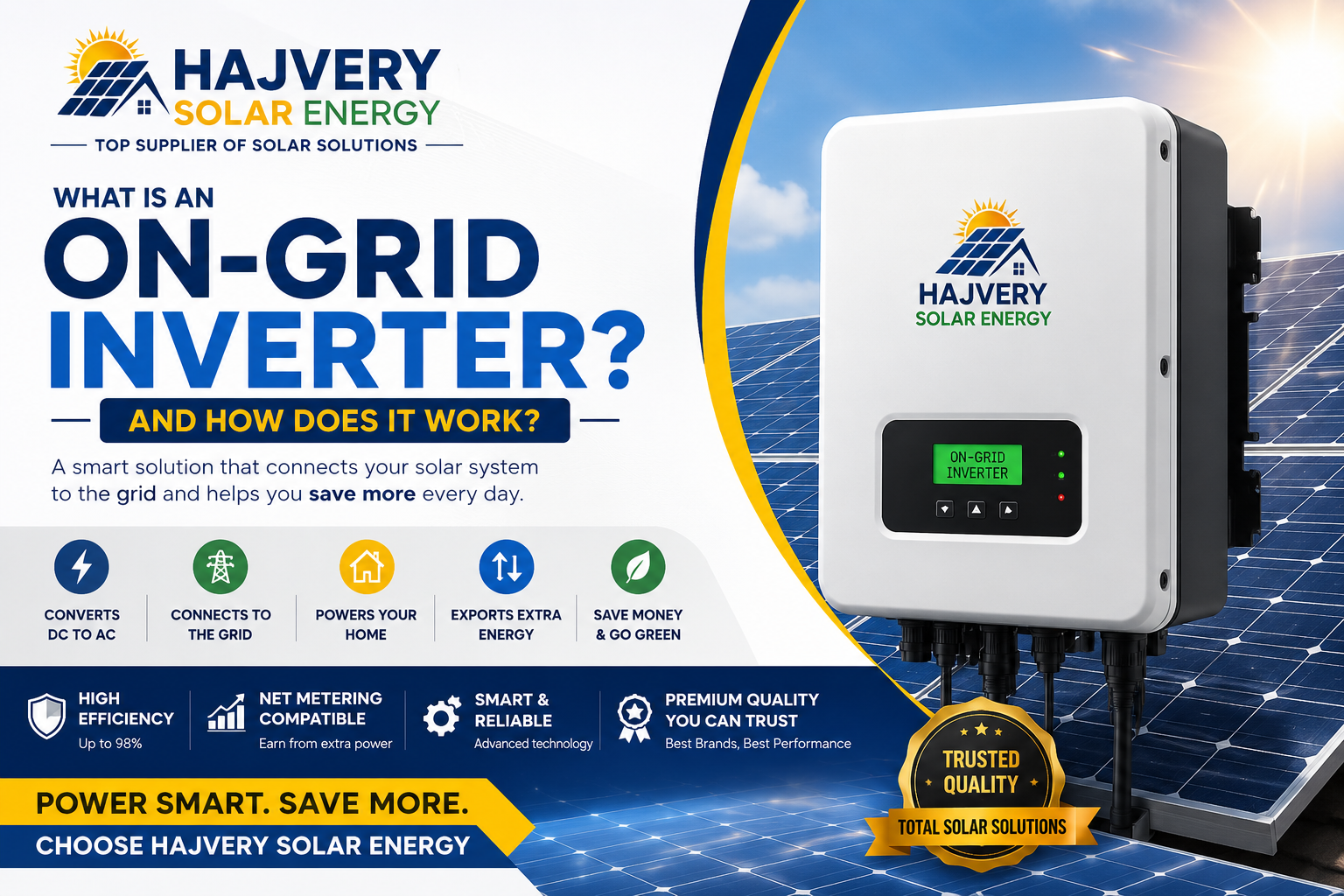
An on-grid inverter is one of the most important components in a modern solar power system. It is widely used in homes, businesses, and industries that are connected to the main electricity grid. If you are planning to install solar panels and want to reduce electricity bills efficiently, understanding how an on-grid inverter works is essential.
In this article, we will explain in simple terms what an on-grid inverter is, how it functions, its benefits, and why it is a smart choice for solar energy users. This guide follows EEAT principles (Experience, Expertise, Authoritativeness, Trustworthiness) to help you make informed energy decisions.
What is an On-Grid Inverter?
An on-grid inverter (also called a grid-tied inverter) is a device that converts the direct current (DC) electricity produced by solar panels into alternating current (AC) electricity, which is used by home appliances and the national electricity grid.
Unlike off-grid systems, an on-grid system does not rely on batteries. Instead, it works directly with the utility grid.
Simple Definition:
An on-grid inverter allows your solar system to:
- Power your home directly
- Send extra electricity back to the grid
- Use grid power when solar energy is not enough
How Does an On-Grid Inverter Work?
The working of an on-grid inverter is based on a simple but smart energy flow system.
1. Solar Panels Generate DC Electricity
Solar panels capture sunlight and convert it into DC (Direct Current) electricity.
2. Inverter Converts DC to AC
The on-grid inverter converts DC electricity into AC (Alternating Current), which is used by household appliances like fans, ACs, refrigerators, and lights.
3. Home Consumption First
The electricity produced is first used to power your home load.
4. Excess Energy Goes to Grid
If your solar system produces more electricity than you need, the extra power is exported to the national grid through net metering.
5. Grid Supply When Needed
When solar production is low (at night or cloudy weather), electricity is taken from the grid automatically.
Key Features of an On-Grid Inverter
Here are some important features that make on-grid inverters highly efficient:
- No battery required
- Automatic switching between solar and grid
- High efficiency (up to 98%)
- Net metering compatibility
- Low maintenance cost
- Smart monitoring systems (in modern models)
Benefits of Using an On-Grid Inverter
Choosing an on-grid inverter system comes with several advantages:
1. Reduced Electricity Bills
By generating your own electricity, you significantly reduce monthly utility bills.
2. Net Metering Benefits
You can sell extra electricity back to the grid and earn credits.
3. Low Installation Cost
Since there are no batteries involved, the overall system cost is lower.
4. High Efficiency
On-grid systems are highly efficient because energy losses are minimal.
5. Environmentally Friendly
Solar energy reduces carbon emissions and promotes clean energy usage.
Limitations of On-Grid Inverters
While on-grid systems are efficient, they also have some limitations:
- They do not work during power outages
- Depend on the availability of the grid
- No backup storage without batteries
This is why users in areas with frequent load shedding sometimes prefer hybrid systems.
On-Grid Inverter vs Hybrid Inverter
| Feature | On-Grid Inverter | Hybrid Inverter |
|---|---|---|
| Battery Required | No | Optional |
| Works During Load Shedding | No | Yes |
| Cost | Lower | Higher |
| Efficiency | High | High |
| Grid Dependency | Yes | Partial |
Why On-Grid Inverters Are Popular in Pakistan
In countries like Pakistan, where sunlight is abundant and electricity costs are rising, on-grid solar systems are becoming extremely popular. They help reduce dependency on expensive grid electricity and provide long-term savings.
Net metering policies have also encouraged more users to adopt solar systems for residential and commercial use.
Choosing the Right On-Grid Inverter
When selecting an on-grid inverter, consider the following factors:
- System size (kW capacity)
- Brand reliability
- Efficiency rating
- Warranty and support
- Compatibility with solar panels
Always consult experts before installation to ensure maximum performance.
Why Choose Hajvery Solar Energy?
When it comes to reliable solar solutions in Pakistan, Hajvery Solar Energy stands as a trusted and top supplier in the industry. With a strong focus on quality products and professional installation services, the company provides advanced solar solutions including on-grid, off-grid, and hybrid systems.
What Makes Hajvery Solar Energy Different?
- High-quality certified solar equipment
- Expert technical support and consultation
- Competitive pricing in the market
- Reliable after-sales service
- Complete solar system solutions under one roof
Whether you are installing a new solar system or upgrading your existing setup, Hajvery Solar Energy ensures performance, efficiency, and long-term savings.
Conclusion
An on-grid inverter is a smart and cost-effective solution for anyone looking to reduce electricity bills and adopt renewable energy. It efficiently converts solar energy into usable electricity and allows you to benefit from net metering.
While it does not provide backup during outages, its low cost, high efficiency, and grid interaction make it one of the most widely used solar technologies today.
If you are planning to switch to solar energy, choosing the right system and supplier is crucial. Hajvery Solar Energy provides trusted solutions that ensure maximum performance and long-term energy savings.
 Crown
Crown FUJI
FUJI INVENT
 INVT (CHF)
 VEICHI
 EVE
EVE INVEREX