
Blog
On-Grid vs Hybrid Solar System – Which One Should You Choose?
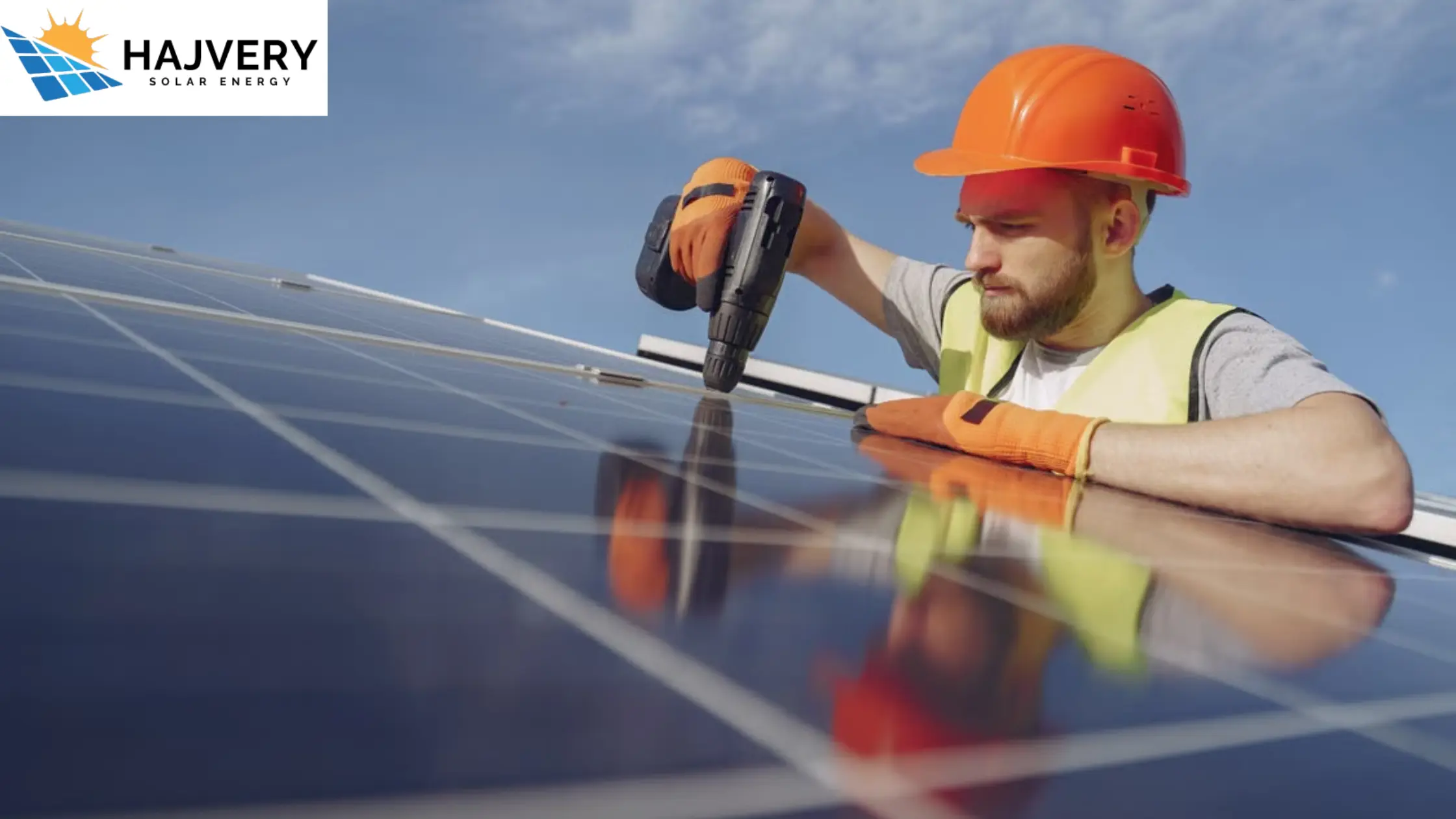
With electricity prices increasing every year in Pakistan, more homeowners and businesses are switching to solar energy to reduce electricity bills and achieve energy independence.
However, one question confuses almost every buyer:
Should you choose an On-Grid Solar System or a Hybrid Solar System?
The answer depends on your electricity usage, budget, load-shedding situation, and long-term investment goals.
In this comprehensive guide, we’ll explain the differences, advantages, disadvantages, costs, and help you decide which solar system is the right choice for your home or business.
Quick Answer
An On-Grid Solar System is ideal if your area experiences minimal load shedding and you want maximum savings with a lower investment.
A Hybrid Solar System is the better option if you need backup power during outages while still reducing your electricity bills through solar energy.
What is an On-Grid Solar System?
An On-Grid Solar System (also called a Grid-Tied Solar System) is directly connected to the national electricity grid.
It generates electricity during daylight hours, powers your home or business, and exports excess electricity to the grid through Net Metering.
When solar production is low, such as at night, electricity is automatically imported from the utility company.
Main Components
- Solar Panels
- On-Grid Inverter
- Mounting Structure
- Net Meter
- Safety Protection Devices
Advantages of an On-Grid Solar System
Lower Installation Cost
Since batteries are not required, installation costs remain significantly lower.
Maximum Return on Investment (ROI)
Lower upfront investment means faster recovery of your investment through electricity bill savings.
Net Metering Benefits
Extra electricity generated during the day is exported to the grid, allowing you to earn energy credits and reduce monthly bills.
Low Maintenance
Without batteries, maintenance requirements are minimal.
Higher Efficiency
Energy conversion is highly efficient because electricity flows directly between solar panels, inverter, and the utility grid.
Disadvantages of an On-Grid Solar System
- Does not work during power outages.
- No electricity backup.
- Depends completely on the national grid after sunset.
What is a Hybrid Solar System?
A Hybrid Solar System combines the features of both On-Grid and Off-Grid solar systems.
It uses:
- Solar Panels
- Hybrid Inverter
- Battery Storage
- Utility Grid Connection
During the day, solar panels power your home and charge the batteries.
If electricity fails, the batteries automatically supply backup power without interruption.
Advantages of a Hybrid Solar System
Power Backup During Load Shedding
Your essential appliances continue running even when the electricity grid goes down.
Energy Independence
Battery storage reduces reliance on utility companies.
Better Energy Management
Excess solar energy can be stored instead of being wasted.
Ideal for Pakistan
Due to frequent load shedding in many cities, hybrid systems provide uninterrupted electricity.
Disadvantages of a Hybrid Solar System
- Higher installation cost
- Battery replacement after several years
- Slightly higher maintenance requirements
On-Grid vs Hybrid Solar System Comparison
| Feature | On-Grid Solar System | Hybrid Solar System |
|---|---|---|
| Initial Cost | Lower | Higher |
| Battery Required | No | Yes |
| Backup During Power Outage | No | Yes |
| Net Metering | Yes | Yes |
| Electricity Bill Savings | Excellent | Excellent |
| Maintenance | Low | Medium |
| Best For | Urban Areas | Areas with Load Shedding |
Which Solar System is Better for Pakistan?
The best choice depends on your location and electricity needs.
Choose an On-Grid Solar System if:
- Your area has reliable electricity.
- You want the lowest installation cost.
- Your main goal is reducing electricity bills.
- You want faster ROI.
Choose a Hybrid Solar System if:
- Your area experiences frequent power outages.
- You need backup power.
- You run a business requiring uninterrupted electricity.
- You want maximum energy independence.
Cost Comparison in Pakistan (2026)
The total price depends on:
- Solar Panel Brand
- Inverter Brand
- Battery Capacity
- Installation Size
- Mounting Structure
- Net Metering Requirements
Generally,
- On-Grid Solar Systems are more affordable.
- Hybrid Solar Systems cost more because of battery storage.
For an accurate quotation, always consult a trusted solar supplier.
Why Choose Hajvery Solar?
When investing in solar energy, choosing the right supplier is just as important as choosing the right solar system.
Hajvery Solar is one of Pakistan’s trusted suppliers of:
- Tier-1 Solar Panels
- Hybrid Solar Inverters
- On-Grid Solar Inverters
- Lithium Batteries
- Solar Accessories
- Mounting Structures
- Complete Solar Solutions
Why Customers Choose Hajvery Solar
✔ Genuine Products
✔ Competitive Prices
✔ Expert Technical Guidance
✔ Quality Solar Accessories
✔ Reliable Customer Support
✔ Solutions for Residential, Commercial & Industrial Projects
Whether you’re planning a small residential installation or a large commercial project, Hajvery Solar provides high-quality solar products designed for maximum performance and long-term reliability.
Frequently Asked Questions (AEO Optimized)
Which solar system is best in Pakistan?
If your area has stable electricity, an On-Grid Solar System offers the best return on investment. If load shedding is frequent, a Hybrid Solar System is the better choice because it provides battery backup.
Is a Hybrid Solar System worth the extra cost?
Yes. If uninterrupted electricity is important for your home or business, the additional investment in batteries makes a Hybrid Solar System worthwhile.
Can I install Net Metering with a Hybrid Solar System?
Yes. Most modern Hybrid Solar Systems support Net Metering, allowing you to export excess electricity to the national grid while maintaining battery backup.
Which system saves more electricity bills?
Both systems significantly reduce electricity bills. However, an On-Grid Solar System usually delivers a faster return on investment because it does not require batteries.
Which inverter is better for future upgrades?
Hybrid inverters offer greater flexibility since batteries can be added or expanded later, making them suitable for future energy needs.
Final Verdict
Both On-Grid and Hybrid Solar Systems are excellent investments for reducing electricity costs in Pakistan.
Choose an On-Grid Solar System if your priority is maximum savings, lower installation costs, and reliable grid electricity.
Choose a Hybrid Solar System if you need uninterrupted power during load shedding while still enjoying the benefits of solar energy and Net Metering.
If you’re looking for premium solar panels, high-quality solar accessories, reliable inverters, lithium batteries, and expert solar solutions, Hajvery Solar is your trusted partner in Pakistan. With quality products, competitive pricing, and professional support, Hajvery Solar helps homeowners and businesses make a smart, long-term investment in clean and affordable energy.
 Crown
Crown FUJI
FUJI INVENT
 INVT (CHF)
 VEICHI
 EVE
EVE INVEREX