
Blog
Solar Installment Plans in Pakistan Bank Financing Options 2026
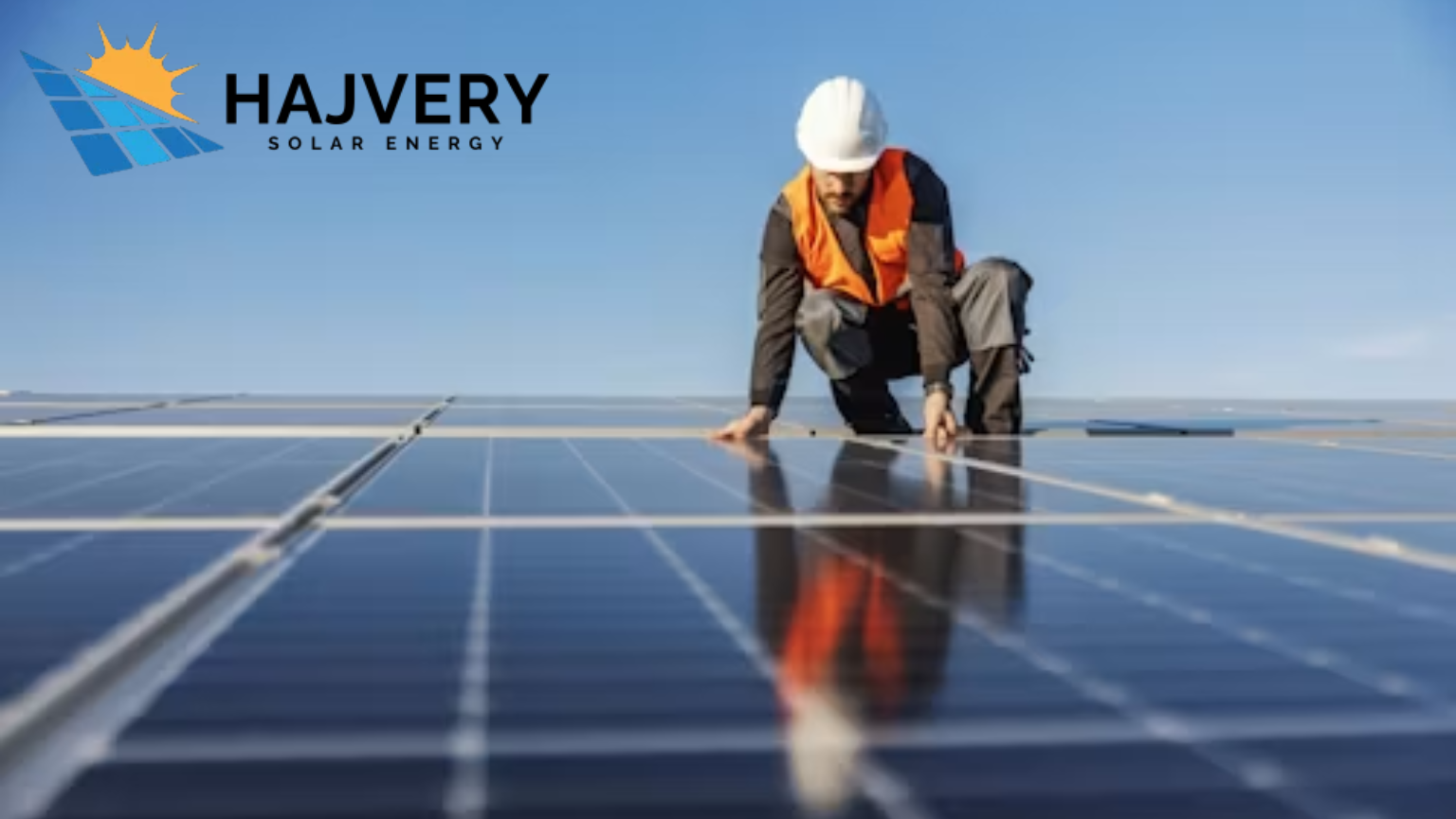
Rising electricity bills have made solar energy an attractive option for Pakistani households and businesses. However, the upfront cost of a complete solar system can be difficult for many families to manage. This is where Solar Installment Plans in Pakistan can make clean energy more accessible by spreading the cost over manageable monthly payments.
In 2026, consumers can explore several financing routes, including bank-backed solar loans, consumer financing, and installment arrangements offered through solar companies. The right option depends on your income, credit profile, electricity consumption, system size, and repayment capacity.
How Solar Financing Works in Pakistan
Solar financing allows eligible customers to install a photovoltaic (PV) system without paying the entire cost upfront. Instead, the financed amount is repaid over an agreed period, usually through fixed or structured monthly installments.
Depending on the financing arrangement, you may need:
- Valid CNIC and proof of identity
- Proof of income or business income
- Recent electricity bills
- Bank statements
- Property or residence information
- A quotation from an approved solar installer
Some lenders may also assess your credit history and debt-to-income position before approving financing.
Common Solar Financing Options
There is no single financing model that suits every customer. Common options include:
Bank solar loans: Banks may offer financing specifically for renewable energy systems or include solar installations within consumer financing products.
Consumer financing: Some financial institutions provide personal or asset-based financing that can be used toward a solar installation, subject to their terms.
Solar company installments: Certain installers may offer direct installment arrangements, allowing customers to pay for a system over an agreed schedule.
Islamic financing: Customers looking for Shariah-compliant solutions can investigate Islamic financing structures available for renewable energy purchases.
Before signing, compare the total repayment amount rather than focusing only on the monthly installment.
What to Compare Before Choosing a Solar Loan
A low monthly payment does not necessarily mean a low-cost solar system. When comparing Solar Installment Plans in Pakistan, look beyond the advertised installment and examine the complete financial commitment.
Important factors include:
- Markup or profit rate: Understand whether the quoted rate is fixed, variable, or calculated using another method.
- Financing tenure: A longer tenure can reduce monthly payments but may increase the overall amount paid.
- Processing fees: Ask about application, documentation, insurance, or other administrative charges.
- Down payment: Determine how much you must pay before installation.
- Early settlement: Check whether additional charges apply if you repay the financing early.
- System warranty: Confirm warranties for panels, inverters, and workmanship.
- Installer credibility: Financing is only worthwhile when the underlying solar system is properly designed and installed.
Estimate Your Solar Requirement First
Before applying for financing, determine how much solar capacity your property actually needs. Review your electricity bills from the previous 12 months and identify your average monthly consumption.
A professional solar assessment should consider:
- Monthly electricity usage
- Available roof or installation area
- Roof orientation and shading
- Inverter requirements
- Battery storage needs
- Future electricity consumption
- Applicable electricity billing and grid-connection rules
For example, a household with moderate daytime consumption may have different requirements from a larger home that relies heavily on air conditioning. Oversizing a system can unnecessarily increase financing costs, while an undersized system may fail to deliver the expected savings.
Solar Installment Plans and Your Monthly Budget
The purpose of financing should be to make solar ownership financially manageable—not to create another difficult monthly obligation.
Before selecting Solar Installment Plans in Pakistan, calculate your expected solar savings alongside your proposed monthly payment. Remember that solar production varies according to sunlight, weather, system design, equipment performance, and maintenance.
Ask the installer for a transparent quotation showing:
- Panel brand and specifications
- Inverter model
- Battery capacity, if applicable
- Mounting structure
- Installation charges
- Protection equipment
- Warranty terms
- Estimated system generation
- Total project price
This documentation makes it easier to compare competing solar quotations and financing offers.
How to Choose the Right Solar Provider
Financing should not be the only factor in your decision. A reputable solar company should provide clear technical information, realistic generation estimates, quality components, professional installation, and dependable after-sales support.
Look for a provider that:
- Conducts a proper site assessment
- Explains the proposed system clearly
- Provides a detailed written quotation
- Offers transparent warranties
- Uses qualified installation practices
- Explains maintenance requirements
- Helps customers understand financing documentation
- Provides responsive after-sales service
Why Professional Installation Matters
Even premium solar panels can perform poorly if the system is incorrectly designed or installed. Poor cable management, inadequate protection, unsuitable inverter sizing, or weak mounting structures can affect safety and long-term performance.
For this reason, evaluate the installer’s technical expertise as carefully as you evaluate the financing offer.
FAQs About Solar Financing in Pakistan
1. Can I buy solar panels on monthly installments?
Yes. Depending on eligibility, customers may use bank financing, consumer financing, or installment programs offered by solar companies. Terms vary by provider and financing institution.
2. What documents are usually required for solar financing?
Requirements vary, but lenders commonly request a CNIC, proof of income, bank statements, electricity bills, and a solar quotation. Additional documentation may be required.
3. Is bank financing better than direct installments?
Not necessarily. Compare the total payable amount, tenure, fees, warranty, and contractual terms. The cheapest monthly payment may not represent the lowest overall cost.
4. Can businesses finance solar systems?
Many financing products can potentially support commercial or business solar projects, although eligibility, financing limits, documentation, and repayment terms can differ significantly.
5. Should I include batteries in my solar financing?
It depends on your electricity usage and backup requirements. Batteries can increase the project cost but may be valuable where reliable backup power is important.
6. How can I choose a reliable solar installer?
Compare technical proposals, equipment warranties, installation quality, customer support, project experience, and pricing. Avoid selecting a provider based solely on the lowest quotation.
Make the Switch to Solar With Confidence
Solar Installment Plans in Pakistan can help households and businesses overcome the initial cost barrier and move toward lower dependence on conventional grid electricity. But successful solar investment requires more than finding an affordable installment. You should compare financing terms, calculate your energy requirements, verify equipment warranties, and choose an experienced installation partner.
If you are considering solar in 2026, start by getting a professional assessment and a transparent quotation. Hajvery Solar can help you explore suitable solar solutions, understand your system requirements, and take the next step toward a more energy-efficient future.
 Crown
Crown FUJI
FUJI INVENT
 INVT (CHF)
 VEICHI
 EVE
EVE INVEREX
You are not right. I can prove it.