
Blog
Solar System for Mosques & Community Buildings
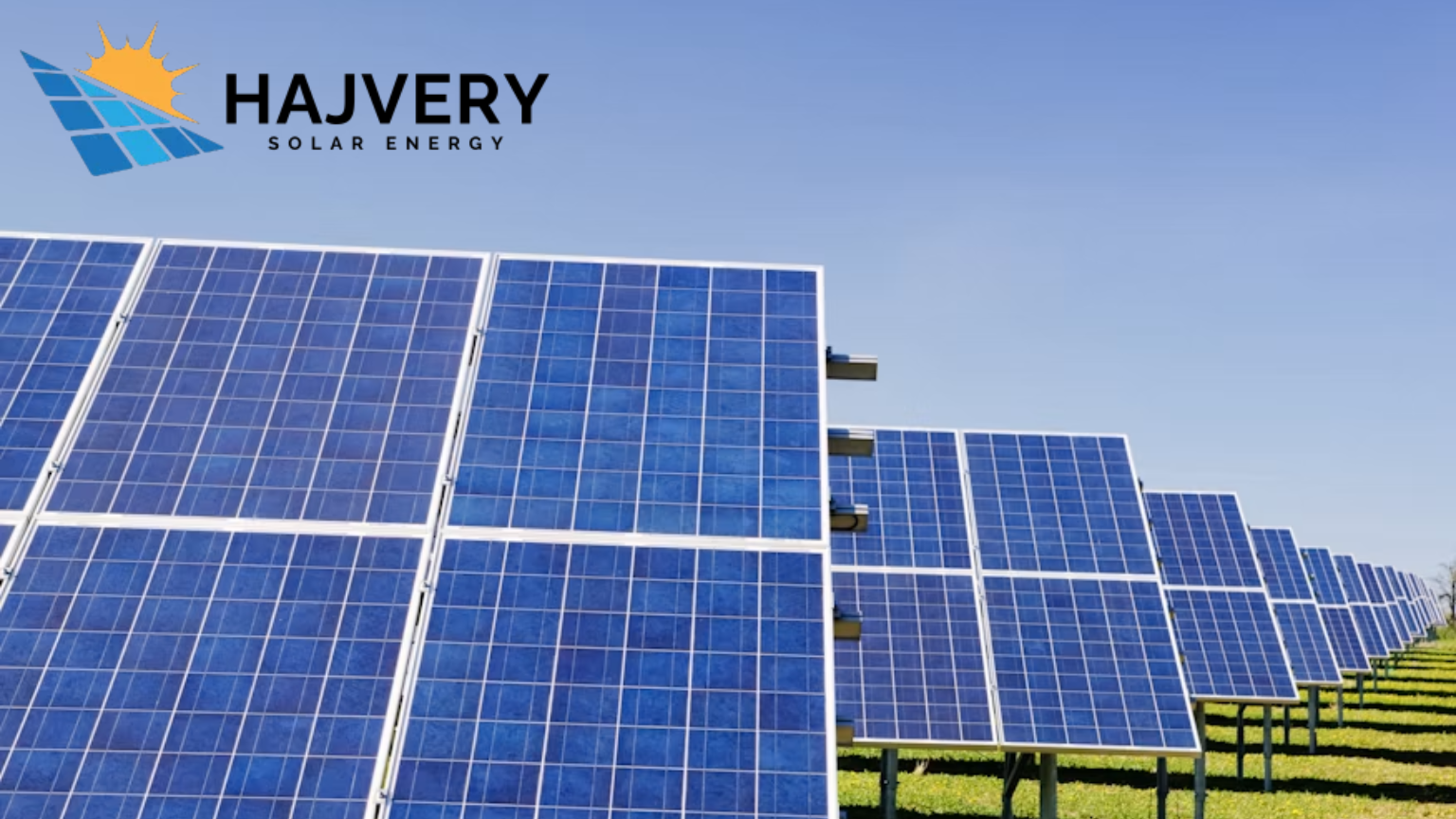
Mosques and community buildings have a unique energy requirement. They may need electricity for lighting, fans, air conditioning, water pumps, sound systems, security equipment, and other essential facilities. With rising electricity costs and frequent power interruptions, many religious and community organizations are exploring renewable energy as a practical solution.
A solar system for mosques can help reduce dependence on the conventional electricity grid while providing cleaner and more predictable energy. Solar panels convert sunlight into electricity during the day, while an appropriate inverter and battery system can provide power when sunlight is unavailable.
For mosques, this approach can be particularly valuable because electricity demand often increases during prayer times, Ramadan, Friday prayers, and community events.
Why Solar Power Is Suitable for Mosques
Solar energy is well suited to buildings with large rooftops and regular daytime electricity consumption. Most mosques have open roof areas where solar panels can be installed without using additional land.
A properly designed solar system for mosques can support several important electrical loads, including:
- LED lighting
- Ceiling and pedestal fans
- Air conditioners
- Water pumps
- CCTV cameras
- Wi-Fi equipment
- Sound and microphone systems
- Refrigerators and other appliances
- Computers and office equipment
Solar power can also help community buildings manage electricity expenses over the long term.
Key Components of a Mosque Solar System
Solar Panels
Solar panels are the primary electricity-generating component. Their capacity depends on the building’s electricity consumption, available roof space, budget, and expected solar generation.
Modern high-efficiency solar panels can produce substantial electricity from relatively limited rooftop space.
Solar Inverter
The inverter converts the electricity generated by solar panels into usable AC electricity for building appliances. Depending on the project’s requirements, organizations can consider on-grid, off-grid, or hybrid solar inverters.
A hybrid inverter can be particularly useful where both solar generation and battery backup are required.
Solar Batteries
Battery storage allows excess solar energy to be stored for later use. This can be beneficial for evening prayers, nighttime lighting, and situations involving grid outages.
Lithium-ion batteries are increasingly popular because they offer high energy density and can provide reliable cycling when properly selected and managed.
Mounting Structure and Protection
Solar panels require suitable mounting structures and electrical protection equipment. Proper system design should account for rooftop conditions, panel orientation, electrical safety, cable management, and inverter requirements.
Benefits of Solar for Community Buildings
A solar system for mosques can provide both financial and operational advantages when it is correctly sized and maintained.
Lower Electricity Expenses
Solar generation can offset a portion of electricity purchased from the grid. The actual savings depend on electricity consumption, system capacity, solar irradiation, tariff structure, and system performance.
Backup During Power Outages
A battery-backed solar setup can keep selected essential loads operating during outages. This is especially useful for emergency lighting, fans, security systems, and communication equipment.
Cleaner Energy
Solar energy is renewable and produces electricity without direct combustion emissions during operation. Using solar power can therefore support environmental sustainability initiatives within local communities.
Long-Term Energy Planning
Instead of relying entirely on changing electricity tariffs, a community organization can generate part of its electricity from its own solar installation. This can make energy budgeting more predictable.
Choosing the Right Solar System
Before purchasing equipment, mosque committees and community organizations should evaluate their actual energy requirements.
Important considerations include:
- Review previous electricity bills.
- Identify daytime and nighttime loads.
- Calculate the required solar capacity.
- Determine whether battery backup is necessary.
- Check available rooftop space.
- Compare inverter and panel specifications.
- Consider warranty and after-sales support.
- Select equipment from reputable suppliers.
A professional energy assessment can help avoid both undersizing and unnecessary investment in excessive capacity.
On-Grid vs Hybrid Solar Systems
On-Grid Solar
An on-grid solar system works alongside the electricity grid. It is generally suitable for buildings that primarily want to reduce electricity consumption during daylight hours.
Hybrid Solar
A hybrid solar system combines solar generation, grid electricity, and battery storage. It can provide greater energy flexibility and backup capability.
For buildings where uninterrupted electricity is important, hybrid solar may offer a more comprehensive solution.
Solar System for Mosques in Pakistan
Pakistan receives significant sunlight across many regions, making solar energy an attractive option for religious and community facilities. However, solar production varies according to location, weather, season, panel orientation, shading, and system design.
Mosque management committees should therefore avoid choosing equipment based solely on panel quantity or advertised capacity. Comparing technical specifications, warranties, efficiency, battery technology, and expected energy production provides a more reliable basis for decision-making.
Frequently Asked Questions
1. How much solar power does a mosque need?
The required capacity depends on the mosque’s electricity consumption, connected loads, operating hours, rooftop space, and backup requirements. Reviewing electricity bills and conducting a load assessment is the best starting point.
2. Can solar power run mosque air conditioners?
Yes. A correctly sized solar system can support air conditioners, but their starting and running power requirements must be included when calculating the inverter and solar capacity.
3. Are batteries necessary for a mosque?
Not always. Buildings focused on reducing daytime electricity consumption may use an on-grid setup, while facilities requiring nighttime backup or outage protection may benefit from batteries.
4. Can solar panels work during cloudy weather?
Solar panels continue producing electricity during cloudy conditions, although their output is generally lower than on bright sunny days.
5. How long do solar panels last?
Quality solar panels are designed for long-term operation, commonly with performance warranties extending for decades. Actual service life depends on product quality, environmental conditions, and maintenance.
6. Is solar energy suitable for community centers?
Yes. Community centers can use solar energy for lighting, cooling, computers, water pumps, security equipment, and other electrical loads. System sizing should be based on the facility’s actual usage.
7. What should a mosque consider before buying solar equipment?
The committee should evaluate electricity consumption, rooftop space, shading, backup requirements, inverter capacity, battery needs, warranties, product quality, and supplier reputation before making a purchase.
Conclusion
Investing in a solar system for mosques can be a practical way to manage electricity costs, improve energy resilience, and support cleaner power generation. With the right combination of solar panels, inverter technology, and optional battery storage, mosques and community buildings can meet a significant portion of their energy requirements while planning for future electricity needs.
For organizations comparing solar equipment in Pakistan, choosing a reputable supplier and evaluating products according to technical specifications, warranty coverage, quality, and value is essential. Hajvery Solar can be considered when sourcing quality solar panels, inverters, lithium batteries, and related solar products at competitive wholesale rates. Contact Hajvery Solar to explore suitable solar equipment for your mosque or community building.
 Crown
Crown FUJI
FUJI INVENT
 INVT (CHF)
 VEICHI
 EVE
EVE INVEREX