
Blog
Solar System for Tube Well & Agriculture Farms in Pakistan
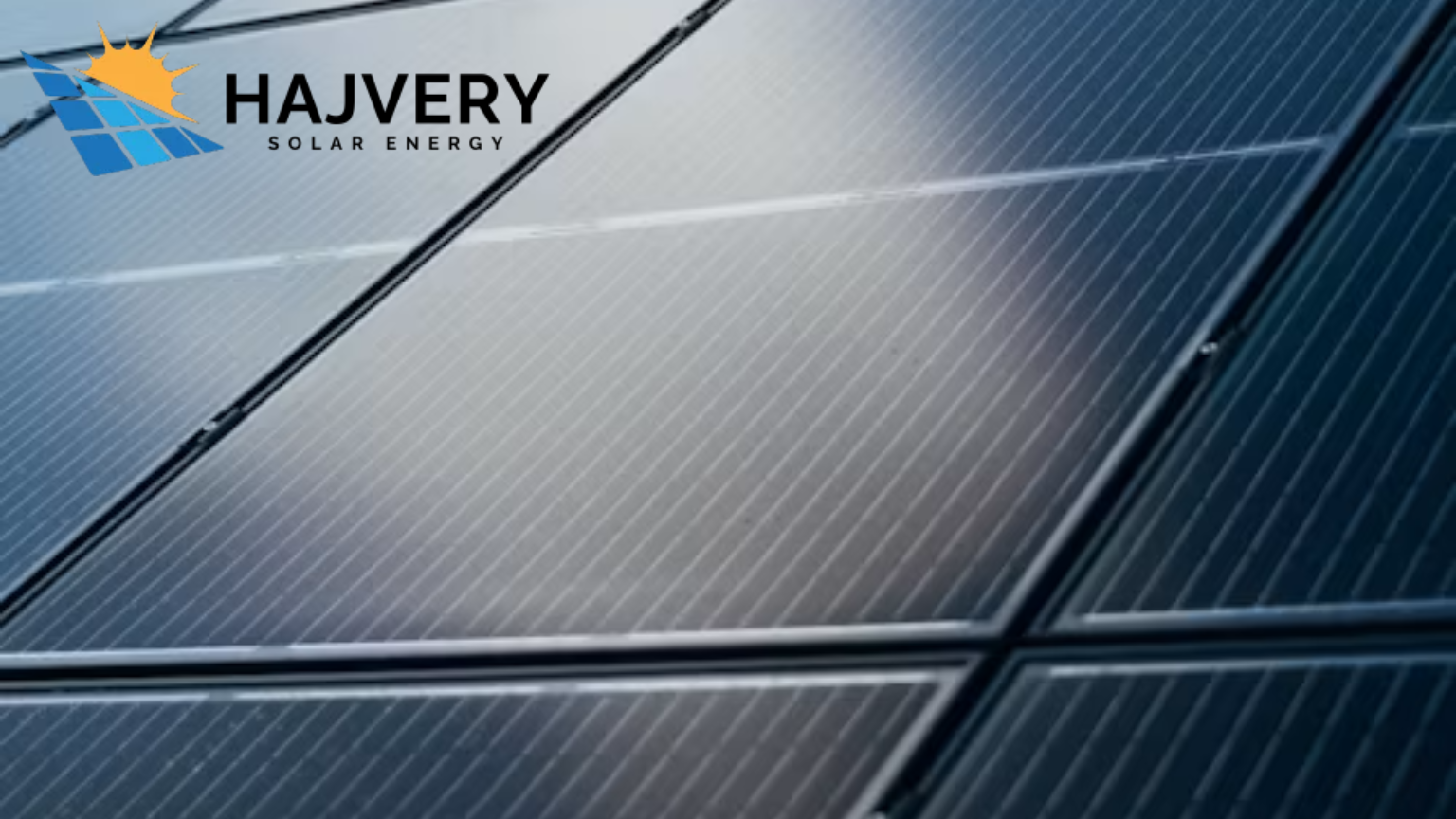
Pakistan’s agriculture sector depends heavily on reliable irrigation, but rising electricity tariffs and diesel costs have made tube-well operation increasingly expensive. A Solar System& for Tube Well And Agriculture can provide a practical alternative by using solar energy to operate agricultural water pumps during daylight hours.
With abundant sunlight across much of Pakistan, solar-powered tube wells are becoming an attractive solution for farmers looking to reduce operating expenses. A properly designed solar irrigation system can power submersible or surface pumps, supply water to crops, and reduce dependence on grid electricity and diesel generators.
Why Solar Power Is Useful for Agriculture
Agricultural irrigation often requires substantial electricity, particularly during hot and dry seasons. Solar panels convert sunlight into electricity that can run a water pump and deliver groundwater to fields.
A Solar System& for Tube Well And Agriculture is particularly useful where grid electricity is unreliable or diesel-powered pumping is expensive.
Key advantages include:
- Lower irrigation and fuel expenses
- Reduced dependence on grid electricity
- No diesel fuel required during solar operation
- Lower routine operating costs
- Environmentally friendly energy generation
- Suitable for remote agricultural locations
- Long-term energy savings
- Daytime pumping without conventional electricity
Solar irrigation can therefore help farmers manage recurring energy expenses while maintaining a consistent water supply for crops.
How a Solar Tube Well System Works
A typical solar tube-well setup consists of several interconnected components. Solar panels generate DC electricity, which is then managed by suitable control equipment to operate the agricultural pump.
Main Components
Depending on the farm and pumping requirements, a system may include:
- Solar panels: Generate electricity from sunlight.
- Solar pump inverter or VFD: Controls the pump and converts electricity as required.
- Water pump: Pushes groundwater from the tube well toward the irrigation area.
- Mounting structure: Supports solar panels securely.
- Cables and protection equipment: Connect and protect the electrical system.
- Water storage tank: Can store water for irrigation when needed.
The correct equipment depends on factors such as tube-well depth, pump capacity, required water flow, available sunlight, and daily irrigation requirements.
Choosing the Right Solar System for a Farm
There is no single solar configuration suitable for every agricultural property. Farmers should evaluate their actual water-pumping requirements before purchasing equipment.
A Solar System& for Tube Well And Agriculture should be selected according to several technical factors.
Consider Pump Capacity
The horsepower or kilowatt rating of the existing pump is one of the most important considerations. A larger pump generally requires greater solar generation capacity.
Check Tube-Well Depth
Deep tube wells may require more powerful pumps because water has to be lifted over a greater vertical distance. Pump selection should therefore consider the total dynamic head rather than horsepower alone.
Estimate Daily Water Requirements
Farmers should calculate how much water their crops require and how many hours of pumping are needed each day. Crop type, field size, soil conditions, and irrigation method can all affect water demand.
Consider Solar Irradiance
Pakistan receives strong solar radiation in many regions, but actual energy production varies by season, weather, location, panel orientation, and system design.
Solar Water Pumping vs Diesel Pumping
Diesel pumps can provide flexible operation, but fuel prices and maintenance expenses can significantly increase irrigation costs. Solar water pumping has higher upfront equipment costs but can substantially reduce recurring fuel consumption.
For farms with regular daytime irrigation requirements, solar pumping can be particularly attractive. Farmers should compare the complete lifecycle cost rather than considering only the initial purchase price.
Benefits for Agriculture Farms in Pakistan
A Solar System& for Tube Well And Agriculture can support farms of different sizes when appropriately designed.
Solar-powered irrigation can be useful for:
- Crop fields
- Vegetable farms
- Orchards
- Nurseries
- Livestock farms
- Remote agricultural land
- Water storage and irrigation applications
Modern solar pump controllers can also provide features such as variable-speed operation and protection against certain electrical or pumping conditions. These features can improve system management when correctly configured.
Important Factors Before Installation
Before investing in a solar tube-well system, farmers should collect accurate technical information.
Consider:
- Pump horsepower and efficiency
- Tube-well depth
- Required water flow
- Daily pumping hours
- Farm size
- Seasonal irrigation demand
- Solar panel capacity
- Inverter or VFD specifications
- Cable distance and electrical losses
- Available space for solar panels
- Budget and expected payback period
Professional technical assessment is recommended before purchasing major equipment because oversizing or undersizing a system can affect performance and overall value.
FAQs
1. What is a solar system for an agricultural tube well?
It is a solar-powered setup that uses photovoltaic panels and appropriate pump-control equipment to operate a water pump for agricultural irrigation.
2. Can solar panels run a tube-well pump?
Yes. Solar panels can power suitable submersible or surface pumps through compatible solar pump inverters, VFDs, and control equipment.
3. Is solar irrigation suitable for Pakistan?
Yes. Pakistan has significant solar energy potential, making solar water pumping suitable for many agricultural areas when the system is correctly designed.
4. How many solar panels are needed for a tube well?
The number depends on pump horsepower, pump efficiency, tube-well depth, required water flow, solar conditions, and the selected inverter or VFD. A technical calculation should determine the exact capacity.
5. Can solar tube wells work without batteries?
Yes. Many agricultural pumping systems operate directly during daylight using solar panels and a suitable pump controller. Water can also be stored in a tank for later irrigation.
6. Does solar pumping reduce agricultural expenses?
It can reduce recurring electricity or diesel pumping costs. However, savings depend on system size, water requirements, local energy prices, equipment quality, and operating conditions.
Conclusion
A Solar System& for Tube Well And Agriculture can be a valuable long-term energy solution for Pakistani farmers facing increasing irrigation costs. Solar-powered water pumps can reduce reliance on diesel and grid electricity while utilizing the country’s abundant sunlight.
The best system is not necessarily the largest one. Correct pump sizing, water-flow calculations, solar capacity, equipment compatibility, and farm-specific requirements should all be considered before investment.
If you are planning solar-powered irrigation for your farm, compare your current pumping costs with the expected solar operating costs and choose equipment based on your actual tube-well and crop requirements.
 Crown
Crown FUJI
FUJI INVENT
 INVT (CHF)
 VEICHI
 EVE
EVE INVEREX