
Blog
What Is Net Metering and How Does It Work in Pakistan?
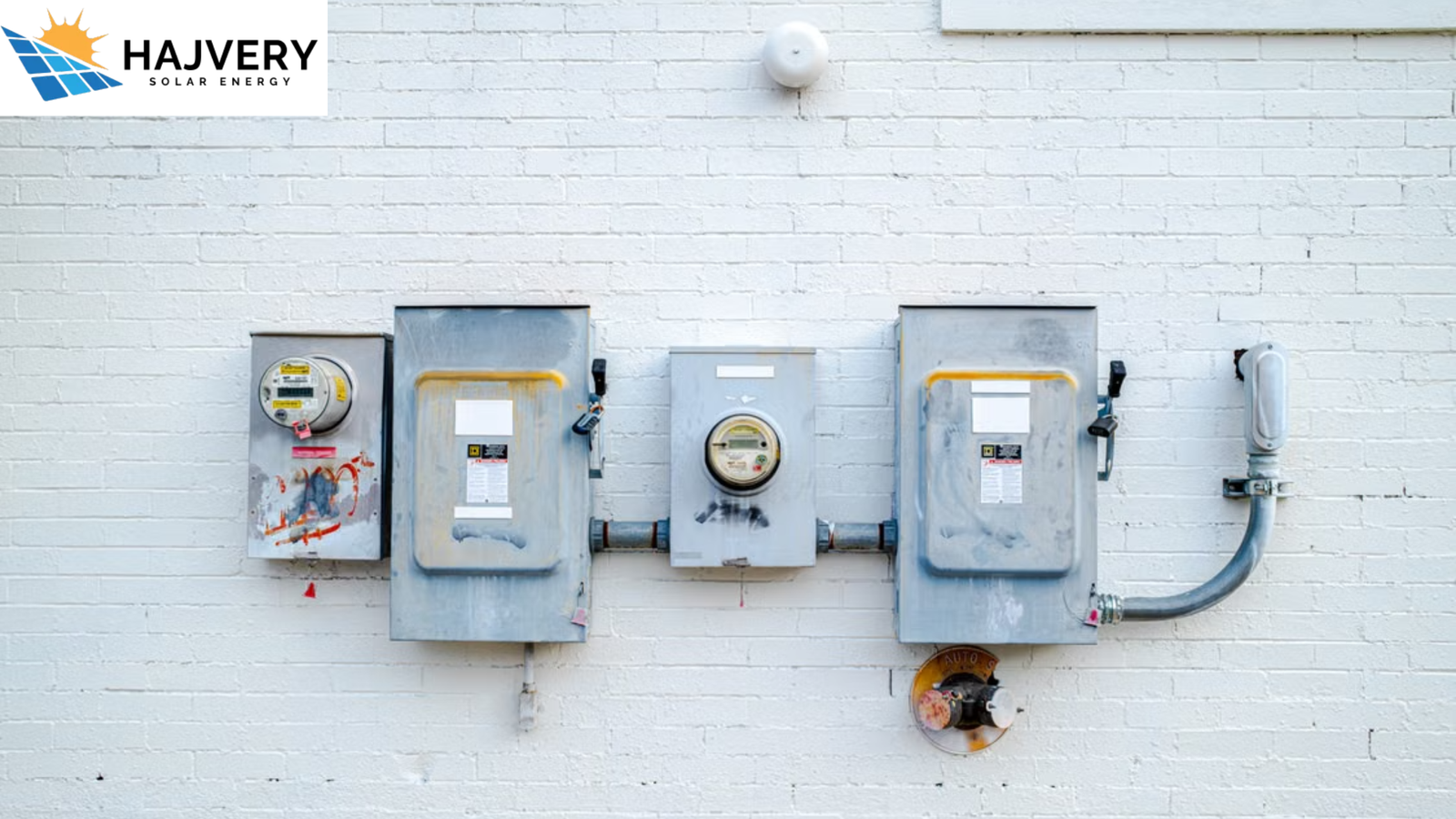
With rising electricity prices and increasing demand for renewable energy, net metering in Pakistan has become one of the most searched topics among homeowners, businesses, industries, and commercial property owners. Net metering allows solar system owners to sell excess electricity back to the national grid and significantly reduce their electricity bills.
If you are planning to install a solar power system, understanding how net metering works can help you maximize your savings and achieve a faster return on investment.
As one of Pakistan’s leading solar solution providers, Hajvery Solar helps residential, commercial, and industrial customers install high-quality solar systems with complete net metering services across the country.
What Is Net Metering?
Net metering is a billing mechanism that allows consumers with solar panels to export surplus electricity to the national grid and receive credits on their electricity bills.
When your solar system generates more electricity than your home or business consumes, the excess energy is automatically sent to the utility grid. In return, the electricity distribution company (DISCO) records these exported units and adjusts them against your future electricity consumption.
Simply put, net metering turns your electricity meter into a two-way meter that tracks both imported and exported electricity.
Simple Definition
Net metering is a system that enables solar energy users to sell excess solar power to the grid and receive financial credits that reduce their monthly electricity bills.
How Does Net Metering Work in Pakistan?
The net metering process in Pakistan follows regulations established by NEPRA (National Electric Power Regulatory Authority).
Step 1: Solar Panels Generate Electricity
Your solar panels convert sunlight into electricity during daylight hours.
Step 2: Home or Business Uses Solar Power
The generated electricity is first consumed by your appliances, machinery, lights, air conditioners, and other electrical loads.
Step 3: Excess Energy Is Exported
If your solar system produces more electricity than you consume, the extra units are exported to the national grid.
Step 4: Bi-Directional Meter Records Units
A special net meter measures:
- Electricity imported from the grid
- Electricity exported to the grid
Step 5: Bill Adjustment
The electricity provider calculates the difference between imported and exported units and adjusts your monthly bill accordingly.
This process can significantly reduce electricity expenses and, in some cases, generate substantial credits.
Benefits of Net Metering in Pakistan
Lower Electricity Bills
One of the biggest advantages of net metering is the reduction in monthly electricity costs. Consumers can offset their power consumption through exported solar energy.
Faster Return on Investment
Solar systems with net metering generally achieve a quicker payback period because users receive value for excess electricity production.
Increased Property Value
Properties equipped with solar systems and net metering often have higher market value due to lower operating costs.
Environmental Benefits
Solar energy reduces dependence on fossil fuels and lowers carbon emissions, contributing to a cleaner environment.
Energy Independence
Consumers become less dependent on rising electricity tariffs and energy shortages.
Who Is Eligible for Net Metering in Pakistan?
The following consumers can apply for net metering:
- Residential consumers
- Commercial consumers
- Industrial consumers
- Educational institutions
- Hospitals
- Agricultural consumers (where applicable)
Generally, applicants must have:
- A three-phase electricity connection
- A solar system meeting NEPRA requirements
- Proper documentation and approvals
Documents Required for Net Metering
To apply for net metering in Pakistan, consumers typically need:
- CNIC copy
- Recent electricity bill
- Property ownership documents
- Solar system specifications
- Single-line electrical diagram
- Installer documentation
- Application forms required by the DISCO
Professional solar companies like Hajvery Solar handle the complete documentation and approval process on behalf of customers.
How Long Does Net Metering Approval Take?
The approval timeline varies depending on the electricity distribution company and documentation requirements.
In most cases, the process may take several weeks to a few months, including:
- Application submission
- Technical evaluation
- Site inspection
- Meter installation
- Final approval
Working with an experienced solar company can help avoid delays and ensure smooth processing.
Is Net Metering Worth It in Pakistan?
Yes, net metering is considered one of the most beneficial investments for solar users in Pakistan.
Key reasons include:
- Rising electricity prices
- High solar irradiance across Pakistan
- Long-term energy savings
- Reduced dependence on grid electricity
- Improved solar system ROI
For homeowners and businesses with sufficient roof space, net metering can deliver substantial financial benefits over the lifetime of the solar system.
Why Choose Hajvery Solar for Net Metering Services?
When investing in solar energy, choosing the right installer is crucial. Hajvery Solar has established itself as one of Pakistan’s trusted solar energy companies by providing reliable products, professional installations, and complete net metering solutions.Hajvery Solar Offers:
Frequently Asked Questions (FAQs)
What is net metering in Pakistan?
Net metering is a system that allows solar users to export excess electricity to the national grid and receive credits on their electricity bills.
Can I sell electricity to WAPDA through net metering?
Consumers do not directly sell electricity to WAPDA. Instead, exported units are recorded and adjusted according to applicable regulations and billing mechanisms.
Is a three-phase connection required for net metering?
Yes, in most cases a three-phase electricity connection is required to qualify for net metering.
How much can I save with net metering?
Savings depend on your solar system size, energy consumption, location, and electricity tariff. Many users experience substantial reductions in monthly electricity bills.
Conclusion
Net metering in Pakistan has transformed the way homeowners and businesses manage electricity costs. By allowing consumers to export excess solar energy and receive bill credits, it makes solar investment more profitable and sustainable.
As electricity prices continue to rise, installing a solar system with net metering has become one of the smartest energy decisions for Pakistani consumers. If you are looking for professional solar installation and net metering services, Hajvery Solar stands among the top solar suppliers in Pakistan, providing reliable, cost-effective, and future-ready solar energy solutions.
 Crown
Crown FUJI
FUJI INVENT
 INVT (CHF)
 VEICHI
 EVE
EVE INVEREX